North Macedonia Itinerary: 7 days of Culture, Markets, and Local Flavors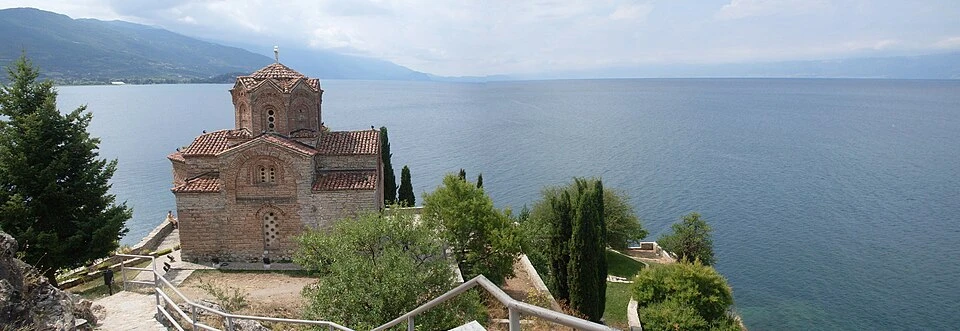
North Macedonia is the kind of destination that reveals itself gradually. A stone bridge leads to an Ottoman bazaar, a mountain road opens onto a quiet village, and a simple lunch becomes a table filled with warm bread, roasted peppers, beans, cheese and seasonal vegetables.
The country is compact enough for a one-week journey, but the most memorable places are spread between cities, lakes, canyons and rural communities. To avoid building the entire trip around bus timetables, travelers can arrange Taxi Moments Macedonia transfers for airport pickups and longer journeys between destinations.
This seven-day North Macedonia itinerary combines cultural landmarks with regional food experiences. It is designed for travelers who want to see Skopje, Matka Canyon, Bitola and Ohrid without rushing through every stop.
A Quick Overview of the Route
| Day | Overnight Base | Main Experience | Food to Look For |
|---|---|---|---|
| 1 | Skopje | City center and Old Bazaar | Burek, kebapi and shopska salad |
| 2 | Skopje | Matka Canyon day trip | Pastries, ajvar and a picnic lunch |
| 3 | Bitola | Journey through central Macedonia | Tavče gravče and homemade bread |
| 4 | Bitola | Old Bazaar and Pelister area | Local cheese, zelnik and stews |
| 5 | Ohrid | Arrival at Lake Ohrid | Grilled vegetables and regional dishes |
| 6 | Ohrid | Old Town and lakeside villages | Pastries, seasonal produce and desserts |
| 7 | Ohrid or Skopje | Slow final morning and departure | A traditional Macedonian breakfast |
North Macedonia has two international airports: Skopje International Airport and St. Paul the Apostle Airport near Ohrid. Skopje Airport is approximately 25 kilometers from central Skopje, while Ohrid Airport is about 10 kilometers from the town. This makes it possible to begin the route in Skopje and fly home from Ohrid when suitable flights are available.
Day 1: Discover Skopje Through Its Markets and Cafés
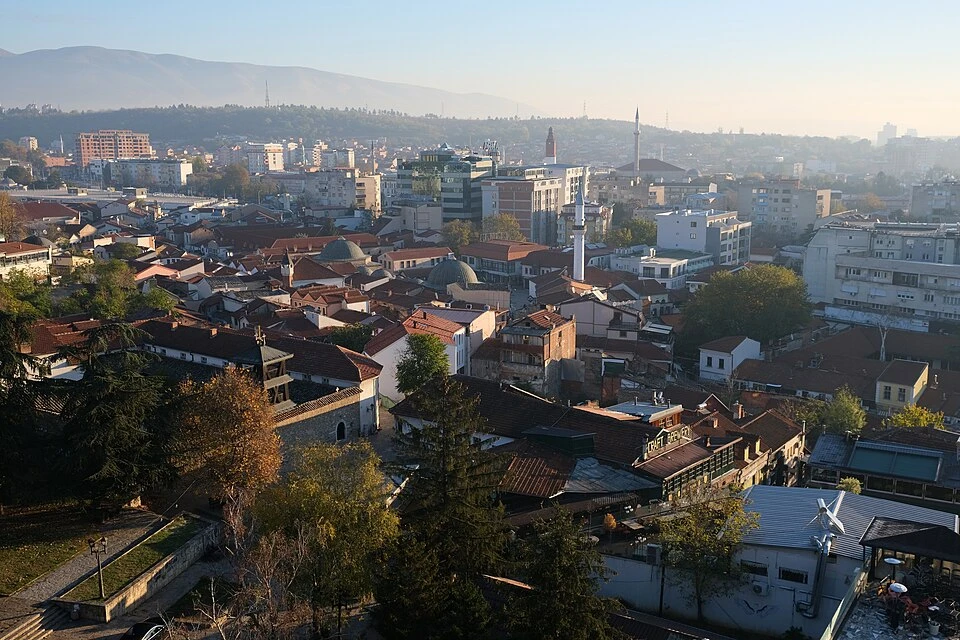
Begin your journey in Skopje, where different periods of Balkan history meet along the Vardar River. The central area is easy to explore on foot, so the first day should be kept deliberately unhurried.
Walk across the Stone Bridge and continue toward the Old Bazaar. Instead of treating the bazaar as a checklist of monuments, leave time to enter its bakeries, sweet shops and small restaurants.
For breakfast or an early lunch, try burek, a flaky pastry commonly filled with cheese or meat. It is often served with yogurt and is filling enough to keep you going through several hours of sightseeing.
Later, build a shared meal around several dishes:
- Tavče gravče, baked beans traditionally prepared in an earthenware dish;
- Shopska salad with tomatoes, cucumber, peppers and grated cheese;
- Kebapi served with bread and onions;
- Ajvar or pindžur made from peppers and other vegetables;
- Fresh bread for sharing everything at the table.
Food traditions remain an important part of Macedonian cultural identity, particularly in family kitchens, villages and small restaurants where recipes are often connected to local ingredients and seasonal preparation.
“The best journeys through North Macedonia are measured not only in kilometers, but in shared plates, slow conversations and places you did not expect to love.”
Day 2: Take a Day Trip to Matka Canyon
On the second morning, travel west of Skopje to Matka Canyon. Its steep cliffs and calm water provide a complete change of scenery after the busy streets of the capital.
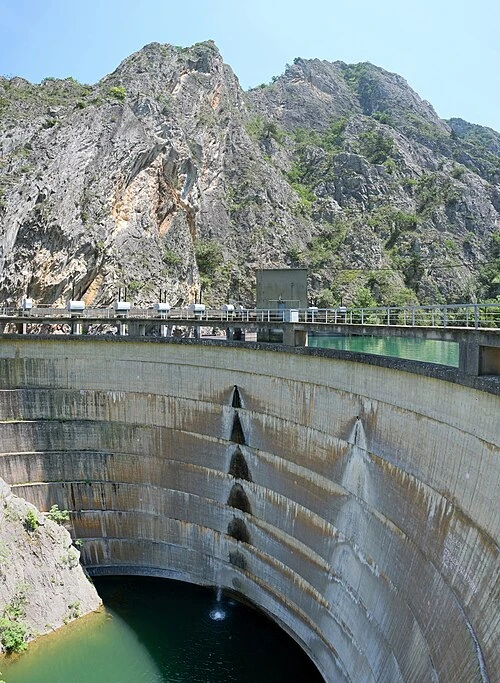
Depending on the season and your preferred pace, the visit can include a walk beside the canyon, a boat ride or simply a long lunch overlooking the water. Avoid planning too many activities. Matka is best enjoyed as a slow half-day or full-day escape rather than another rushed photo stop.
Before leaving Skopje, pick up a simple picnic from a bakery or market:
- Cheese or spinach pastry;
- Fresh fruit;
- Bread with ajvar;
- Tomatoes and cucumbers;
- A small local dessert.
Return to Skopje in the afternoon and spend the evening in a residential neighborhood rather than the main tourist square. Look for a traditional restaurant with a short menu, as this often means the kitchen is focused on a smaller number of familiar dishes.
Day 3: Travel from Skopje to Bitola
The third day is the longest travel day in this North Macedonia itinerary. Leave Skopje after breakfast and make your way south toward Bitola.
A direct transfer allows you to stop for lunch along the route instead of returning to a station at a fixed time. The journey is also an opportunity to see the agricultural landscapes beyond the capital.
Choose a roadside or family-run restaurant and ask what has been prepared that day. A seasonal plate may include roasted peppers, beans, potatoes, cabbage, homemade cheese or slow-cooked meat.
This is a good day to try tavče gravče if you did not order it in Skopje. Although recipes vary between households, the essential idea is simple: beans are slowly cooked with vegetables and spices, then finished in a traditional baking dish.

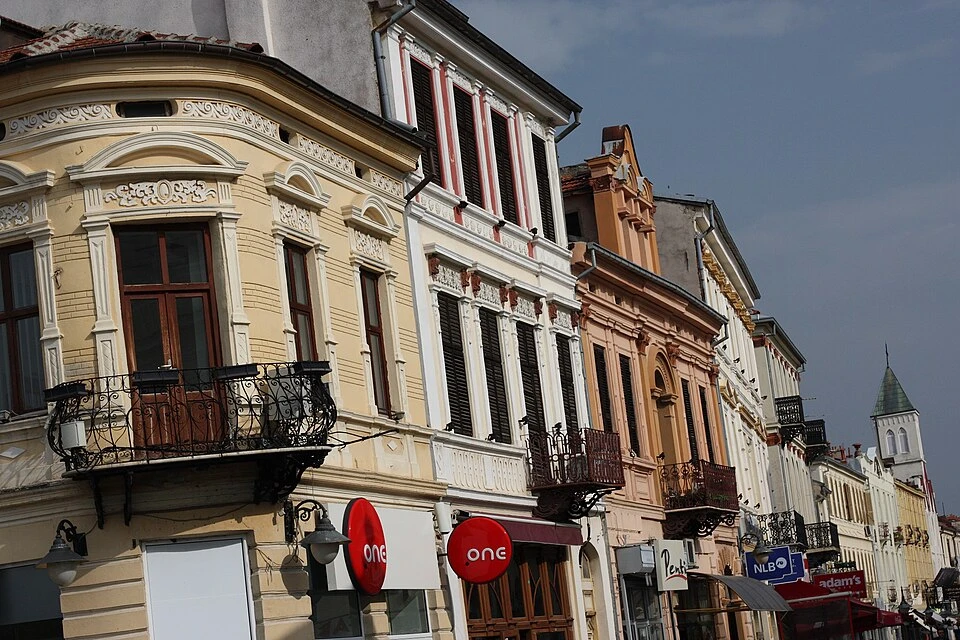
Arrive in Bitola before evening and take a walk along Širok Sokak, the city’s central pedestrian street.
Day 4: Explore Bitola and the Pelister Region
Bitola feels more relaxed than Skopje, making it an ideal base for a slower cultural day. Spend the morning around the old bazaar and the central streets before heading toward the countryside or the Pelister area.
The surrounding region is a good place to look for rustic pies such as zelnik, which may contain cheese, leeks, spinach, cabbage or other fillings. Preparation varies considerably, and that variation is part of the experience.
Rather than searching for one restaurant that supposedly serves the “best” version of every dish, follow three simple rules:
- Ask which foods are homemade.
- Choose dishes that match the season.
- Order several plates for the table instead of one large individual meal.
Macedonian dining is especially enjoyable when food is shared. Salads, spreads, bread and cooked dishes can arrive separately, turning an ordinary lunch into a long, informal tasting menu.
Day 5: Continue to Ohrid
Travel from Bitola to Ohrid on the fifth day. As the route approaches the lake, the landscape changes and the pace of the trip naturally becomes slower.
After checking in, explore the lower part of Ohrid and walk along the waterfront. Save the upper Old Town for the next morning, when the streets are usually calmer and the light is better for viewing the lake.
Ohrid and its surrounding region are recognized by UNESCO for both natural and cultural heritage. The town is considered one of Europe’s oldest human settlements, while the wider area contains significant religious architecture, archaeological remains and endemic freshwater species.
For dinner, choose a lakeside restaurant, but do not order solely from the most prominent signs near the promenade. Walk one or two streets inland and compare menus. Vegetable spreads, grilled peppers, salads, baked dishes and locally prepared pastries can be as memorable as the more heavily advertised specialties.
When ordering fish, ask the restaurant about its source and current availability. Lake Ohrid has exceptional biodiversity, and responsible visitors should treat the lake as a living ecosystem rather than simply a tourist attraction. UNESCO has identified tourism pressure, traffic, development and changing water quality as challenges for the region.
Day 6: Spend a Full Day in Ohrid
Start early and walk uphill through Ohrid’s Old Town. The route can include traditional houses, historic churches, viewpoints and the ancient theater before descending toward the shore.
Do not schedule every hour. Leave space for a café break, a bakery visit and an unplanned detour through a quiet street.
In the afternoon, choose one of two approaches:
For a relaxed day: remain in Ohrid, spend time beside the lake and explore local shops.
For a wider regional experience: visit a nearby village or another part of the lakeshore, stopping for lunch away from the central promenade.
A useful food-focused challenge is to order only dishes that you have not tried earlier in the trip. Depending on the restaurant, that could mean stuffed peppers, a vegetable stew, a regional pie, grilled mushrooms or a simple homemade dessert.
The Ohrid region has been listed for its natural value since 1979 and its cultural value since 1980, making it one of the earlier mixed natural and cultural properties on the UNESCO World Heritage List.
Day 7: Enjoy a Slow Macedonian Breakfast
Use the final morning for breakfast rather than additional sightseeing. Visit a bakery, market or neighborhood café and order something simple.
A satisfying final breakfast might include:
- Warm pastry;
- Yogurt;
- Cheese;
- Tomatoes or peppers;
- Fruit;
- Strong coffee or tea.
Travelers departing from Ohrid have a relatively short journey to the local airport. Those flying from Skopje should leave enough time for the intercity transfer and possible traffic near the capital.
Skopje Airport also has a scheduled shuttle bus whose timetable is coordinated with flight arrivals and departures, although a direct transfer may be more convenient for families, groups, travelers with several bags or passengers leaving early in the morning.
Practical Tips for a Food-Focused North Macedonia Trip
Keep Some Flexibility in the Schedule
Restaurants outside the main tourist areas may not always follow the opening hours shown online. Treat unexpected changes as part of the trip and keep an alternative bakery or café in mind.
Carry Some Local Currency
Cards are useful in hotels and larger restaurants, but cash can be more practical in markets, small bakeries and family-run establishments.
Learn a Few Food Words
Even when a menu is available in English, asking about a dish can lead to better recommendations. Words for bread, cheese, beans, salad and pie are especially useful.
Do Not Order Too Much at Once
Portions can be generous, particularly when bread, salads and side dishes accompany the main meal. Start with a few shared plates and add more only when necessary.
Respect Local and Natural Heritage
Stay on marked paths, avoid leaving waste beside the lake or in mountain areas, and support businesses that use local products responsibly.
When Is the Best Time for This Itinerary?
Late spring and early autumn work especially well for a route that combines cities, outdoor attractions and food experiences. Summer is suitable for travelers who want to spend more time beside Lake Ohrid, although popular areas can feel busier during the main holiday period.
Winter creates a very different journey centered on warming dishes, bakeries and urban culture, but mountain routes and outdoor plans require more flexibility.
Final Thoughts
A good North Macedonia itinerary should not feel like a race between landmarks. The country’s appeal lies in contrast: lively bazaars and quiet lake mornings, monumental city squares and small village kitchens, ancient cultural sites and everyday family recipes.
Seven days are enough to experience these contrasts while still leaving time for long meals and spontaneous stops. Begin with the energy of Skopje, slow down in Bitola and finish beside Lake Ohrid. Most importantly, arrive hungry - not only for traditional Macedonian food, but for the conversations, landscapes and small discoveries that surround every meal.


No comments: